
What Makes a Traditional Chinese Medicine Novel Different
From other fiction
A traditional Chinese medicine novel does not begin with explanations or concepts. It begins with a moment — often quiet, sometimes unsettling — when life no longer responds to logic alone.
Readers who are drawn to a traditional Chinese medicine novel are rarely looking for information. They are looking for recognition. For a story that understands something they cannot yet put into words. In a world saturated with advice, methods, and solutions, these readers feel an unspoken fatigue: the exhaustion of being told how to heal, how to grow, how to become better.
What they seek instead is experience.
A traditional Chinese medicine novel does not promise answers. It does not teach techniques or offer shortcuts. It invites the reader into a slower rhythm — one where healing unfolds through attention, presence, and lived encounters rather than instruction. Meaning emerges not through explanation, but through what is felt between the lines.
In stories like Bao Huang, healing is not a goal. It is a consequence. A quiet by-product of walking a path without guarantees, of listening rather than forcing, of learning to remain open when certainty disappears. This is why such novels linger long after the final page. They do not convince the mind. They touch something older — something that already knows.
Agenda:
-
What Makes a Traditional Chinese Medicine Novel Different from Other Fiction
-
Why Readers Are Drawn to Traditional Chinese Medicine Novels Right Now
-
Healing Without Explaining — Why Storytelling Works Better Than Advice
-
Herbs, Memory, and Meaning in a Traditional Chinese Medicine Novel
-
From Survival to Presence — The Inner Journey Behind the Healing Story
-
Who Reads Traditional Chinese Medicine Fiction — and Why
-
Bao Huang — A Traditional Chinese Medicine Novel Without Teaching
-
If You’re Looking for Meaning, Not Answers
-
Traditional Chinese Medicine Novel – Frequently Asked Questions
What Makes a Traditional Chinese Medicine Novel Different from Other Fiction
What distinguishes a traditional Chinese medicine novel from other forms of fiction is not its subject matter, but its way of seeing life. Like a philosophical adventure novel, it is less concerned with explanation than with experience.
These stories are not about medicine in the clinical sense. They are about balance — not as a concept, but as an lived tension between forces: effort and surrender, action and waiting, knowledge and humility. Healing is never reduced to a system. It arises through relationship — with the body, with nature, with time, and with fate itself.
Unlike spiritual self-help books, a traditional Chinese medicine novel does not instruct the reader on how to heal. Unlike philosophical essays, it does not argue a position. And unlike classic adventure novels, the true journey does not unfold only across landscapes, but within the character’s capacity to remain present when control dissolves.
Traditional Chinese medicine, when expressed through fiction, becomes a language of observation rather than intervention. Herbs are not remedies to be mastered; they are carriers of memory. The healer is not an authority, but an apprentice of life itself. Illness is not an enemy to defeat, but a message whose meaning cannot be rushed.
This is why the narrative pace matters. These novels resist urgency. They unfold gradually, mirroring the way understanding grows — not through accumulation, but through subtraction. What falls away is often more important than what is gained.
In this sense, a traditional Chinese medicine novel aligns naturally with the philosophical adventure tradition: a journey where transformation is never imposed, and wisdom arrives only when the mind stops demanding it.
Why Readers Are Drawn to Traditional Chinese Medicine Novels Right Now
The renewed interest in the traditional Chinese medicine novel is not a literary trend. It is a response.
Many readers arrive at these stories after a long journey through explanations — psychological, spiritual, scientific. They have read enough frameworks. They understand the language of growth, trauma, resilience. And yet, something remains untouched. Not misunderstood — untouched.
A traditional Chinese medicine novel speaks to that quiet gap.
In a time where healing is often reduced to optimization, these stories restore a slower intelligence. They do not ask the reader to fix themselves. They do not frame life as a problem to be solved. Instead, they reveal healing as a form of listening — to the body, to timing, to what resists being controlled.
This is why such novels resonate especially with readers in transition. People who are not searching for improvement, but for orientation. Who sense that pushing harder will not lead them forward. Who are ready to encounter uncertainty without immediately trying to dominate it.
Traditional Chinese medicine, when woven into fiction, mirrors this inner shift. Its philosophy is not built on conquest, but on harmony. Not on intervention first, but on observation. And so the reader is gently invited to slow down — not because it is prescribed, but because the story itself refuses to rush.
The attraction lies precisely there: in the relief of not being told what to do.
Healing Without Explaining — Why Storytelling Works Better Than Advice
Advice speaks to the mind. Stories speak to experience. This is why healing rarely happens through explanation alone. Understanding a process does not mean embodying it. A traditional Chinese medicine novel does not attempt to convince the reader of anything. It allows insight to arise indirectly, the way real understanding always does — unforced, often unexpected.
In storytelling, healing is not a topic. It is an atmosphere.
Characters do not announce their transformation. They move through confusion, resistance, fatigue, and moments of quiet clarity. The reader is not instructed to identify lessons. Instead, recognition happens naturally: a scene lingers, a gesture resonates, a silence says more than analysis ever could.
This indirect approach mirrors the very essence of traditional Chinese medicine. Symptoms are not isolated from the whole. Meaning is not imposed. Nothing is rushed toward resolution. The body, like the story, is allowed to unfold its own intelligence.
This is why narrative healing feels real. It mirrors what has been described as reading as awakening — a process where understanding arises not through instruction, but through lived resonance. It does not bypass suffering, but it also does not dramatize it. It acknowledges that transformation often happens sideways — while attention is elsewhere, while life is simply being lived.
A traditional Chinese medicine novel trusts the reader enough not to explain everything. And in doing so, it creates the space where something genuine can shift — quietly, without announcement. It is within this space that herbs, gestures, and silent rituals begin to carry meaning.
Herbs, Memory, and Meaning in a Traditional Chinese Medicine Novel
In a traditional Chinese medicine novel, herbs are never merely substances. They are stories waiting to be remembered.
A root, a leaf, a powder stored in a wooden drawer does not act like a solution. It carries time. It carries lineage. It carries the silent knowledge of hands that once prepared it with patience rather than urgency. When herbs appear in such narratives, they are not there to cure. They are there to connect.
The medicine cabinet becomes more than a place of remedies. It turns into a threshold — between generations, between knowledge and mystery, between what can be taught and what must be lived. Opening a drawer is never just a practical gesture. It is an act of attention. Of responsibility. Of entering into something that cannot be rushed or fully controlled.
This is where healing fiction differs fundamentally from instruction. The herb does not guarantee an outcome. It invites relationship. It asks for listening rather than mastery. And through this quiet exchange, the reader senses that healing is not something added to life, but something uncovered within it.
Memory plays a crucial role here. In a traditional Chinese medicine novel, healing is inseparable from remembering — not intellectually, but bodily. The smell of dried plants, the texture of bark, the ritual of preparation awaken something older than reasoning. The past is not explained. It is felt.
These moments anchor the story in the physical world while pointing beyond it. They remind us that wisdom is not always transmitted through words. Sometimes it passes silently, from gesture to gesture, from presence to presence.
Herbs, in this sense, do not resolve conflict. They hold space for it. They accompany the character — and the reader — through uncertainty without demanding conclusions. And that is precisely why they matter.
In a traditional Chinese medicine novel, medicine is a companion.
From Survival to Presence — The Inner Journey Behind the Healing Story
In many stories, survival is portrayed as strength. In a traditional Chinese medicine novel, survival is often only the beginning.
The characters who inhabit these narratives do not set out to transform themselves. They are not seeking enlightenment, nor are they trying to heal in any deliberate way. Most of the time, they are simply trying to endure. To move forward without collapsing. To respond to life as it presents itself, moment by moment.
What changes them is not ambition, but exposure.
Exposure to uncertainty. To unfamiliar landscapes. To encounters that strip away rehearsed identities. In this process, survival slowly gives way to something quieter: presence. Not as an achievement, but as a necessity. When strategies fail, when control no longer works, attention sharpens. The character begins to listen — not because it is virtuous, but because it is the only remaining option.
This is where the inner journey truly unfolds.
Presence does not arrive as clarity. It arrives as humility. As a willingness to stay with what cannot be resolved immediately. In a traditional Chinese medicine novel, healing is inseparable from this shift. The body is no longer treated as an object to be fixed, nor is the mind positioned as a commander issuing orders. Both become participants in a larger rhythm that cannot be forced.
The adventure, then, is not about conquering distance or overcoming obstacles. It is about learning to remain available to experience without defending against it. The character stops asking life to conform to expectations and begins, almost reluctantly, to meet it as it is.
This transition from survival to presence is subtle. It does not announce itself. There is no moment of triumph. And yet, everything changes.
Because once presence replaces resistance, healing no longer feels like a task. It becomes a consequence — not of effort, but of alignment.
Who Reads Traditional Chinese Medicine Fiction — and Why
Readers drawn to traditional Chinese medicine fiction rarely identify themselves as seekers. Many would resist the term entirely. And yet, they arrive at these stories at moments when familiar narratives no longer suffice.
They are often in between.
Between phases of life. Between identities that once felt stable. Between explanations that made sense and experiences that no longer fit into them. These readers are not looking for escape, nor for reassurance. They are looking for resonance — for a story that does not rush to interpret what they themselves are still living.
A traditional Chinese medicine novel speaks to readers who sense that healing is not linear. Who understand, sometimes painfully, that progress does not always look like improvement. For them, the appeal lies not in solutions, but in companionship. In walking alongside a character who does not pretend to know where the path leads.
Many of these readers have already moved beyond simplistic spiritual narratives. They are wary of promises. Suspicious of certainty. What draws them instead is sincerity — a story that respects complexity, silence, and ambiguity.
They are readers who value experience over explanation. Who are willing to stay with discomfort long enough for it to reveal its own intelligence. Who recognise that healing cannot be outsourced to techniques, but unfolds through attention, time, and relationship.
This is why traditional Chinese medicine fiction resonates so deeply. It does not divide life into problems and solutions. It portrays existence as a continuous process of adjustment — sometimes gentle, sometimes harsh, always alive.
Such readers do not finish these novels feeling instructed. They finish them feeling accompanied. And often, that is exactly what they needed.
Bao Huang — A Traditional Chinese Medicine Novel Without Teaching
Bao Huang does not present itself as a lesson. It does not attempt to transmit knowledge, nor does it guide the reader toward conclusions. And precisely for that reason, it belongs naturally to the lineage of the traditional Chinese medicine novel.
What unfolds in the story is not a method, but a way of moving through life. Healing is never isolated as a theme. It is woven into circumstances, encounters, and decisions that are often made without certainty. Bao does not seek to become a healer, nor does he aspire to understand life more deeply. He responds. He adapts. He endures. And slowly, almost unnoticed, something begins to align.
The presence of traditional Chinese medicine in the novel is subtle. It does not explain itself. Herbs appear not as remedies to be mastered, but as responsibilities to be respected. Knowledge is never framed as power. It is treated as something fragile — something that can only be held with humility.
What makes Bao Huang distinctive is its refusal to separate outer events from inner movement. Travel, hardship, apprenticeship, loss — none of these are symbolic devices. They are lived realities. The story does not pause to interpret them. It trusts the reader to feel their weight.
In this way, Bao Huang avoids the common trap of spiritual fiction: it does not replace one belief system with another. It does not suggest that healing leads to clarity, or that understanding resolves suffering. Instead, it shows how presence grows where certainty collapses.
As a traditional Chinese medicine novel, Bao Huang does not teach how to heal. It shows what happens when life itself becomes the teacher — unpredictable, demanding, and quietly precise.
If You’re Looking for Meaning, Not Answers
There comes a moment when explanations lose their appeal. Not because they are wrong, but because they no longer reach what is actually being lived.
A traditional Chinese medicine novel does not step in to replace them. It does not offer clarity where life remains ambiguous. It simply stays. With uncertainty. With complexity. With the quiet movements that unfold when attention is no longer directed toward fixing, but toward witnessing.
For some readers, this is unsettling. For others, it feels like relief.
Stories like Bao Huang are not meant to be consumed quickly. They ask for patience — not as a discipline, but as a natural response to depth. Nothing is pushed forward. Nothing is resolved prematurely. Meaning is allowed to arise on its own terms, or not at all.
If you are looking for answers, this kind of story may disappoint you. But if you are looking for resonance — for a narrative that respects silence, rhythm, and lived experience — then a traditional Chinese medicine novel may offer something rare.
Not guidance.
Not solutions.
But companionship on a path that cannot be mapped in advance.
Untold Adventures of Bao Huang is an invitation to walk that path — without promises, without instruction, and without urgency.
Traditional Chinese Medicine Novel – Frequently Asked Questions
What is a traditional Chinese medicine novel?
A traditional Chinese medicine novel is a work of fiction where healing, balance, and transformation emerge through lived experience rather than explanation. It integrates the philosophy of traditional Chinese medicine into the narrative without turning it into instruction or doctrine.
Can a traditional Chinese medicine novel support inner healing?
Such novels do not aim to heal in a therapeutic sense. However, by allowing readers to witness transformation without forcing interpretation, they can create space for reflection, recognition, and inner movement.
How is healing fiction different from spiritual self-help books?
Healing fiction does not instruct or promise outcomes. Unlike self-help, it does not guide the reader toward improvement. It offers experience rather than advice, and presence rather than methods.
Are herbs and healers in these novels symbolic or realistic?
They are both. Herbs and healers function as lived realities within the story, while also carrying symbolic weight. Their meaning is never fixed; it unfolds through context and relationship.
Who should read a traditional Chinese medicine novel?
Readers drawn to these stories are often in periods of transition. They value depth over direction, experience over explanation, and stories that respect ambiguity rather than resolve it.

New Releases
Books from Jay Ghee
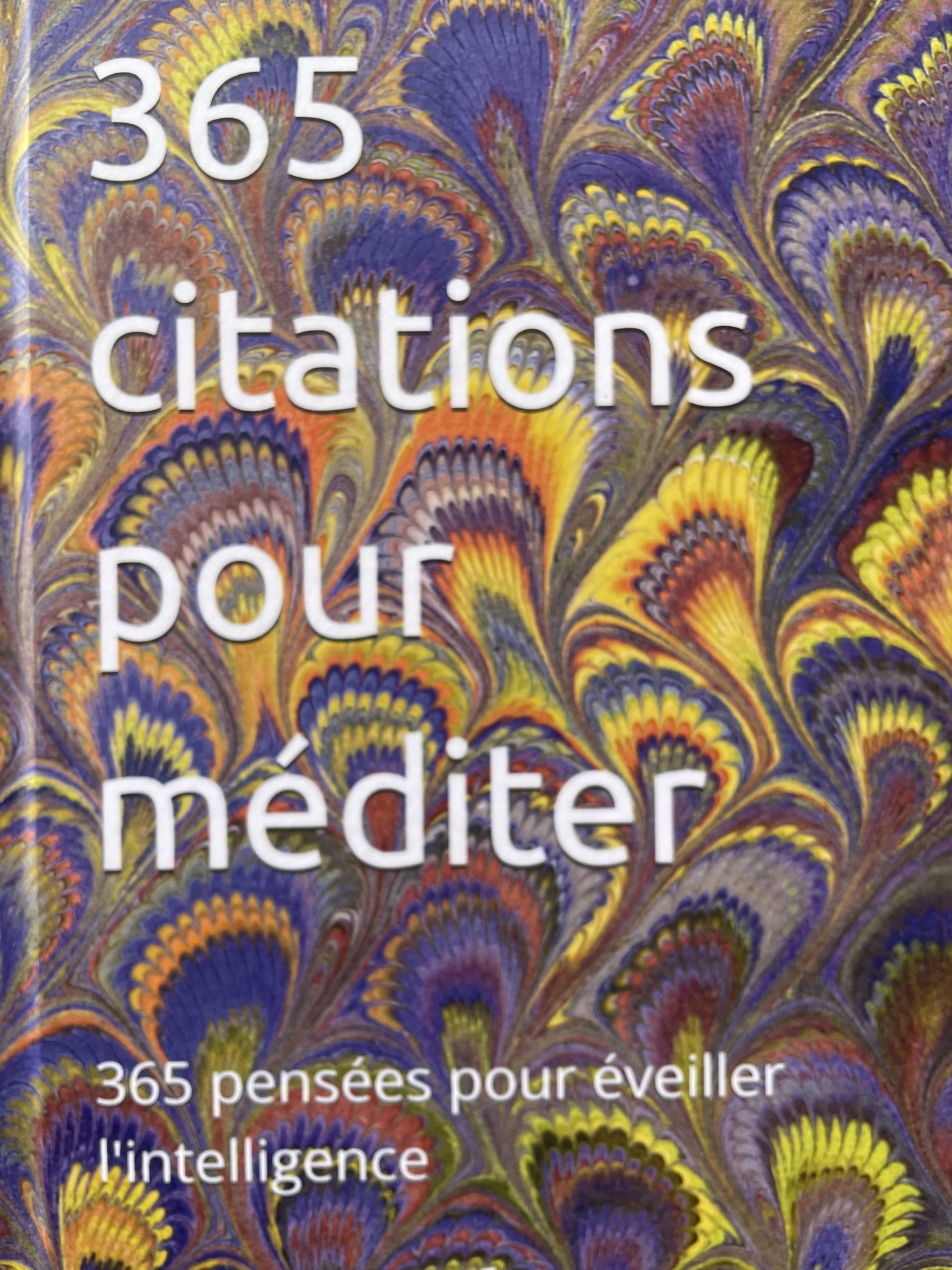
365 citations pour méditer
By Jay Ghee 365 citations pour méditerLes 365 pensées inédites de ce livre invitent l'éveil de l'intelligence. Jay Ghee présente ici une collection de réflexions profondes, d'aphorismes riches en sagesse, humour et observations conçus pour éveiller le questionement....
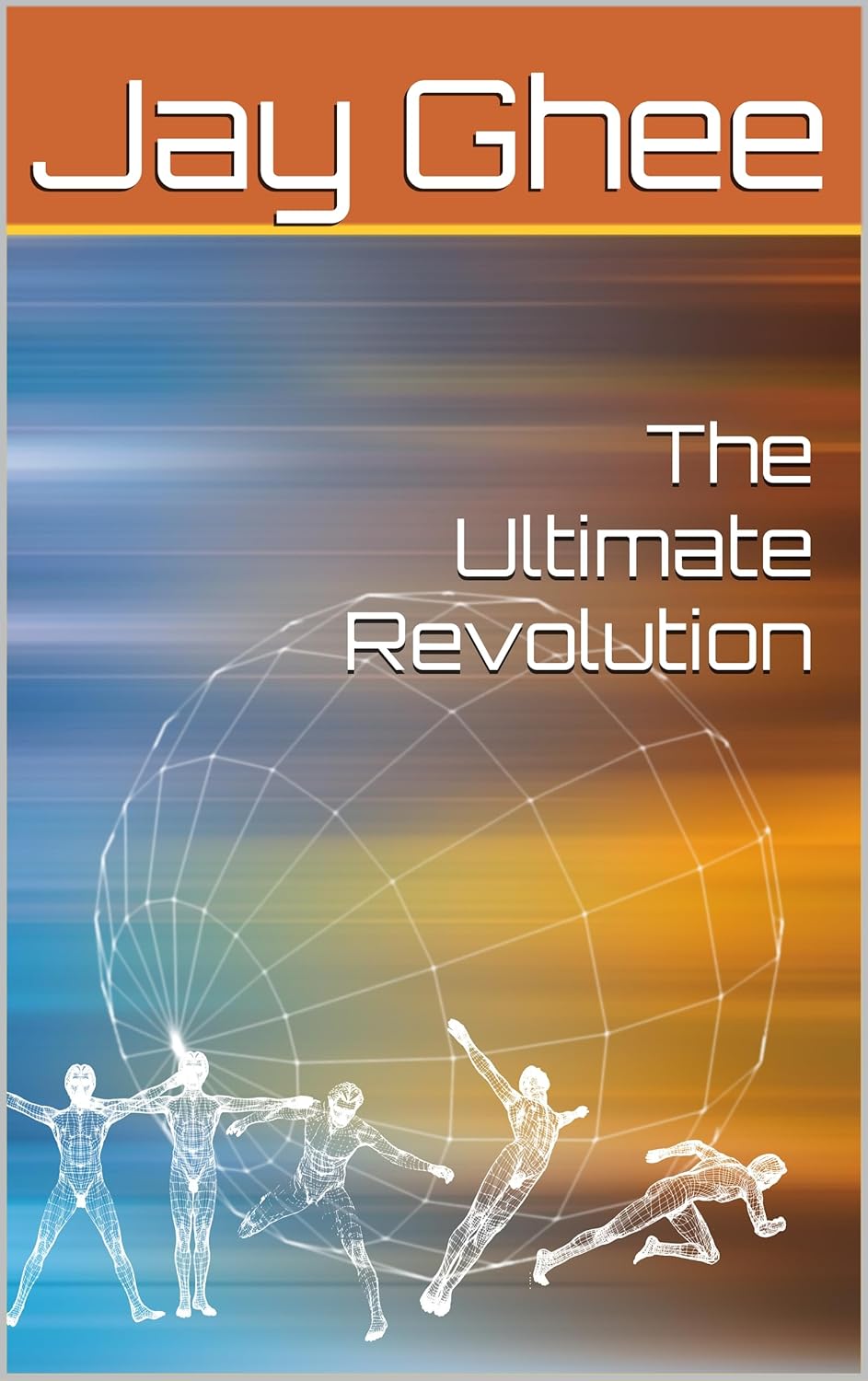
The ultimate revolution
By Jay Ghee The ultimate revolution A Journey Beyond Thought In an age of chaos, distraction, and inner conflict, The Ultimate Revolution invites you on the only journey that truly transforms—the journey inward. Through a synthesis of timeless wisdom and modern...
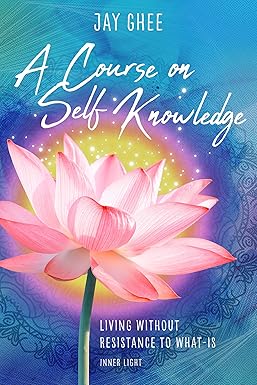
A course on Self-Knowledge
By Jay Ghee A Course on Self-Knowledge Living without resistance what-is This course addresses the most essential question in life:Who am I? It’s not a theory, a belief, or a system. It’s a path. One that leads you inward—toward clarity, stillness, and the direct...
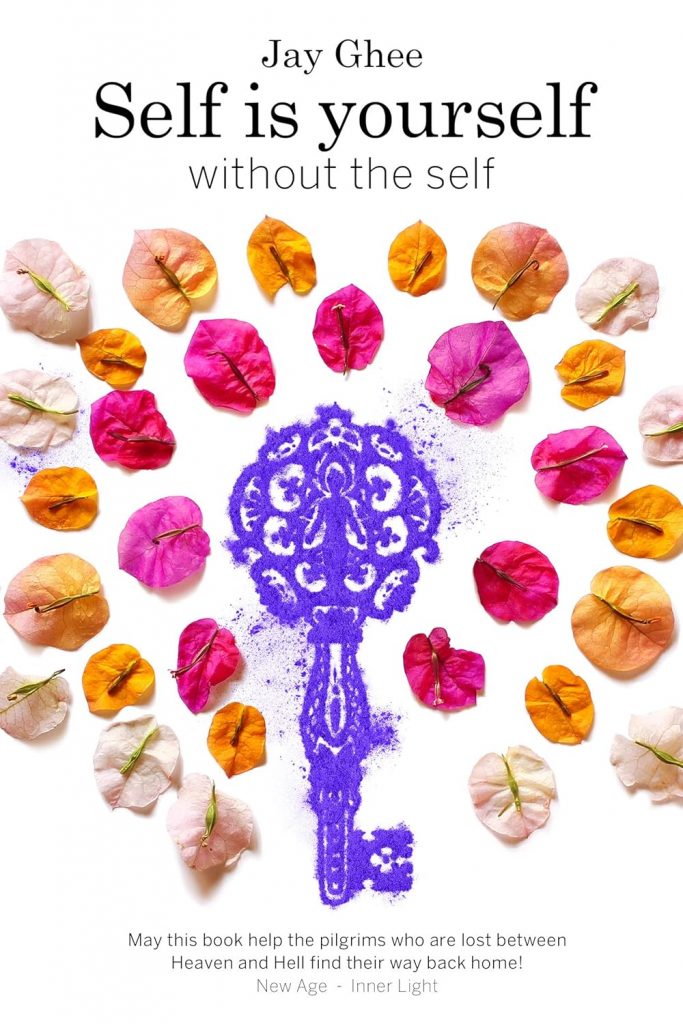
Self is yourself without the self
By Jay Ghee Self is yourself without the selfA contemplative guide to dissolving ego, awakening pure awareness, and living beyond the illusion of “me". What if everything you believe about yourself—your story, your ego, your spiritual ambitions—is simply a mask worn...
L’ultime révolution
By Jay Ghee L'ultime révolutionÀ travers l’enseignement des grands sages, Jay Ghee guide ses lecteurs vers une compréhension profonde du rôle de l’ego et montre comment s’en libérer pour accéder à la paix intérieure et à la joie véritable. Un chapitre entier est...
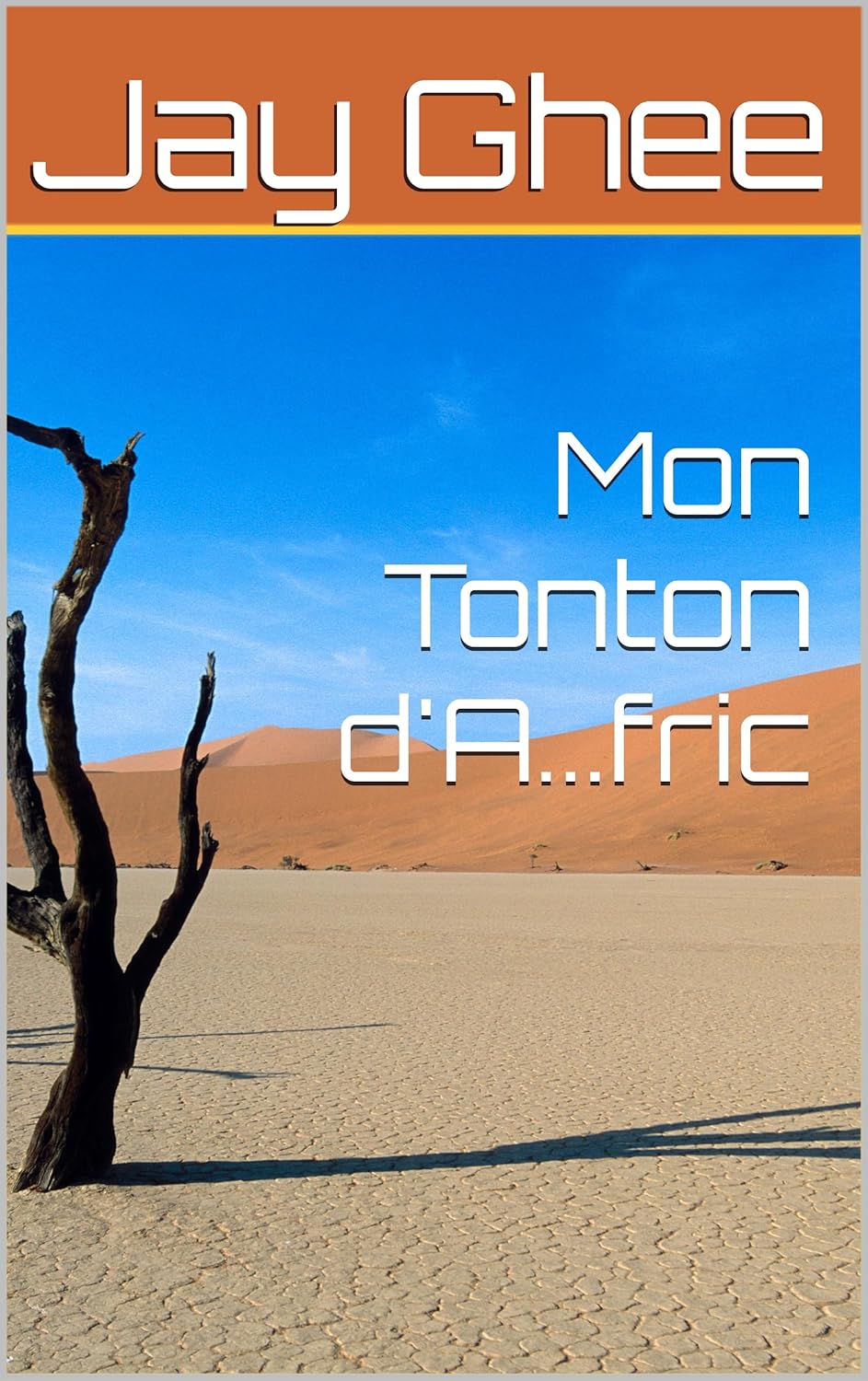
Mon Tonton d’A…fric
By Jay Ghee Mon Tonton d´ A...fricCinq jeunes cousins de la région bordelaise reçoivent chacun une énigmatique missive venue d’Afrique. Héritage ou simple mystère ? Malgré les inquiétudes de leurs proches, ils se laissent entraîner dans une aventure haute en couleur,...
Schedule an Event
info@jayghee.com
Book an Interview
info@jayghee.com
Contact Jay Ghee
info@jayghee.com